
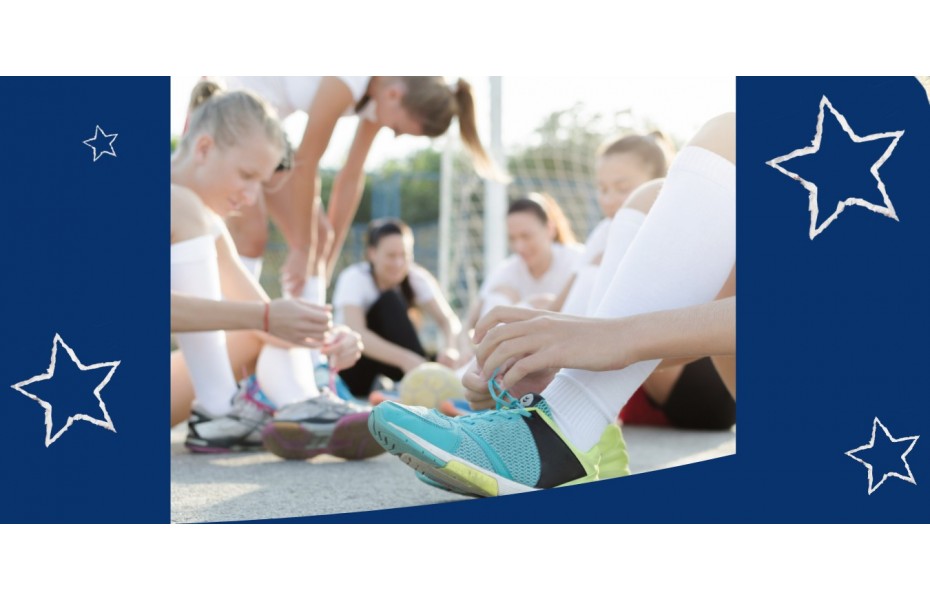
When should you change your handball shoes?
Knowing when to change your handball shoes is ideal for preventing injuries and maintaining adequate performance in every match or training session. At Handbolaunpas, we explain the main signs that indicate it's time to replace them, as well as the consequences of continuing to play with worn-out footwear.
Many players tend to use their sports footwear longer than recommended, which can lead to joint problems and a loss of stability. Identifying relevant factors, such as visible wear or internal deterioration of the shoes, is of great importance to maintain your safety and performance on the court.
When to change sports shoes?: The question many players ask themselves
The wear and tear of sports footwear is not always obvious at first glance, but it is crucial for a player's performance and health. Many times, the shoes still look good from the outside, but they have already lost their cushioning, grip, or stability properties.
This progressive deterioration often goes unnoticed, especially if you train regularly, and can lead to chronic ailments or decreased performance. Therefore, understanding the signs that indicate a shoe has completed its cycle is fundamental for any athlete, especially in high-impact disciplines like handball.
When to change your handball shoes? Observe the following aspects
The problems with sports shoes are not limited to aesthetics. There are structural and functional factors that indicate it's time to replace your shoes.
If the sole is very worn
The sole is the component most exposed to continuous friction with the ground. In handball, traction is fundamental, and when the tread pattern is lost or the material begins to smooth out, the risk of slipping increases.
A sole without grip not only affects mobility but also exposes the player to injuries from falls or sprains. Furthermore, the most worn areas alter the overall balance of the foot strike, compromising proper support.
Soft or deformed midsole
The midsole is responsible for cushioning and energy return with every step. Over time, materials like EVA or PU lose their absorption capacity and flatten out.
This translates into a feeling of a "hard stride" or lack of bounce, and it can cause discomfort in the knees and ankles. If you notice that your footwear no longer provides the same comfort when running or jumping, the midsole is probably compromised.
Tears or deformations in the upper part
The upper part of the shoe (the upper) must provide support without restricting movement. When it has tears, loose threads, or stretched areas, it stops supporting the foot correctly, affecting stability.
In addition, in some cases, these defects cause the foot to shift inside the shoe, increasing the risk of sprains or chafing. It is also common for ventilation to be compromised if the fabric is damaged.
If you feel discomfort in your feet, ankles, or knees
One of the clearest signs that your shoes need to be changed is the appearance of pain without an apparent cause. Muscle fatigue, cramps, or joint discomfort, especially after normal training sessions, may be due to a misaligned foot strike or a lack of cushioning caused by wear.
These signals should not be ignored, as they indicate that the footwear is no longer fulfilling its protective function.
Lifespan
Although each player has a different training load, it is estimated that handball shoes should be changed every 10 to 12 months if you train between 3 and 4 times a week.
After this threshold, even if the footwear appears to be in good condition, its internal performance has already deteriorated. Monitoring the usage time is as important as visual observation.
Consequences of not changing shoes on time
Keeping worn-out shoes beyond their lifespan can lead to multiple negative effects:
- Increased risk of injuries: Especially to ankles and knees due to lack of support.
- Loss of performance: Reduced reaction capacity, poor grip, and premature fatigue.
- Recurrent muscle aches: Due to poor foot strike alignment or deteriorated support.
- Uneven joint wear: Which can lead to chronic problems.
- Loss of confidence when moving: The player loses security, affecting their decision-making.
Avoiding these effects is as easy as regularly checking the condition of your shoes and paying attention to how your body responds after each game session.
Changing your handball shoes is possible by trusting Handbolaunpas
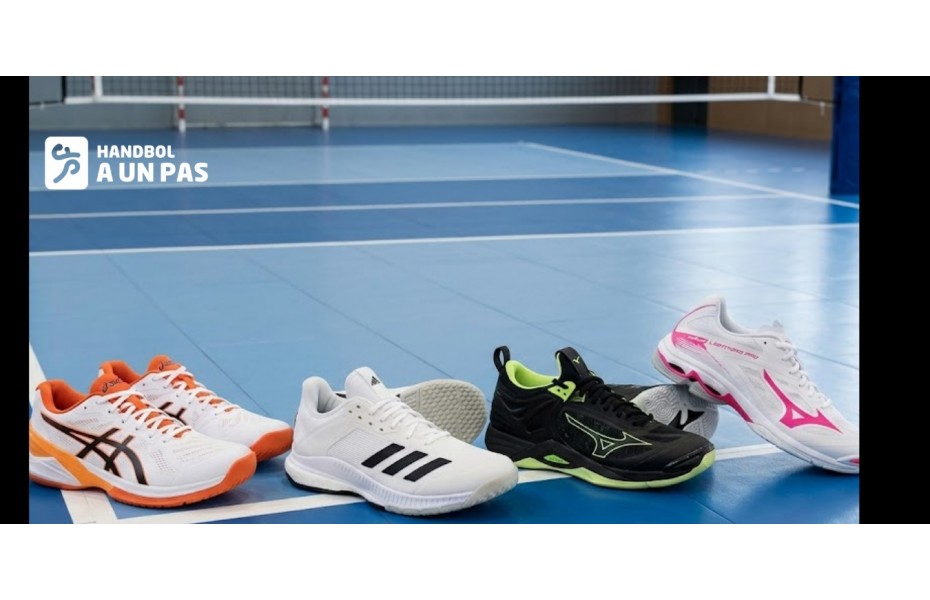
At Handbolaunpas, we have a wide variety of handball shoe models adapted to different levels, playing styles, and specific needs. From footwear with extra cushioning to models with anti-slip technologies, we offer personalized advice so you can replace your shoes with a clear understanding.
Change your handball shoes on time, also read Handball Shoe Innovations 2025: Handbolaunpas Complete Guide
Our team understands that when to change handball shoes is not just a matter of time, but of physical well-being and constant improvement. If you feel that your footwear no longer performs as it used to, check out our options and get ready to bring your best version to the court.

.png)
.png)
Comments
No comment at this time!
Leave your comment