
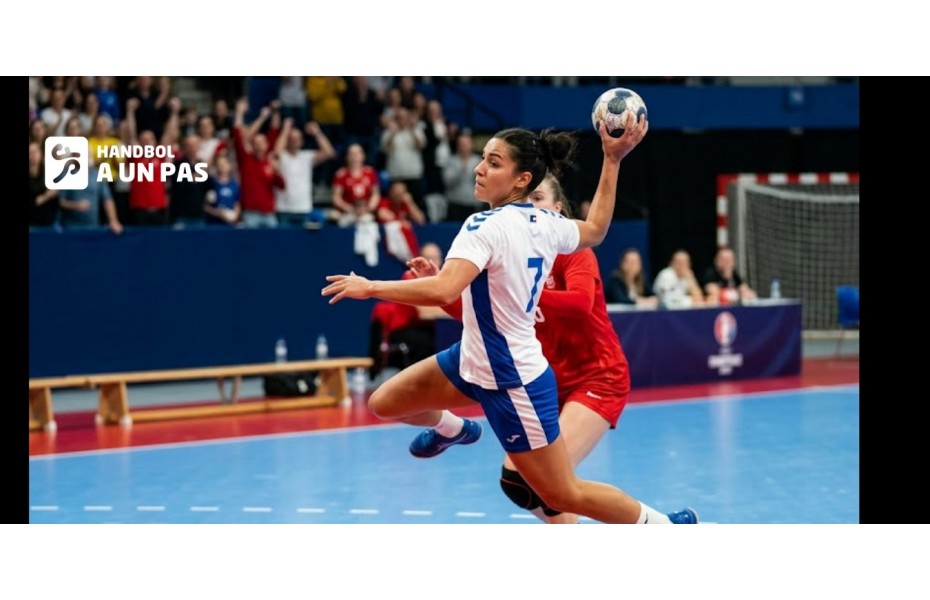
Types of passes in handball: key techniques
The types of passes in handball play a fundamental role in the development of the game, as they allow players to quickly and accurately move the ball to their teammates. Want to know their names and how they’re done? At Handbolaunpas, we’ll tell you all about it.
There are different passing techniques, each with its particularities, which help maintain the pace of the game, overcome the opponent’s defense, and facilitate plays. Knowing and mastering these passes is essential to improve communication between players and optimize attacking opportunities.
Choosing the right type of pass in each situation can make the difference between a successful play and a missed opportunity.
What is a pass and why are they so important in handball?
A pass is a technical action that involves transferring the ball handball to a teammate, with the goal of maintaining possession and creating attacking opportunities. This is done using the hands, whether with a direct pass, a bounce pass, or a combination of both.
Passes are essential in the game because they allow the team to move quickly across the court, preventing the defense from regaining possession and offering the chance to organize an effective play.
The importance of passes lies in the fact that they are the foundation of the offensive strategy in handball. A well-executed pass can destabilize the opponent’s defense, create space, and facilitate a shot at goal.
Know the different types of passes in handball
In handball, there are various types of passes used depending on the game situation and the team’s strategy. Each type has its own characteristics and is executed in specific contexts to maximize precision and speed in the game.
Classic frontal pass
The classic frontal pass is one of the most basic and commonly used passes in handball. It is executed with both hands, throwing the ball towards a teammate positioned in front.
This pass is ideal for maintaining possession of the ball and is commonly used when there is no immediate opposition, as it allows for a fast and precise ball transfer between players. Its simplicity and effectiveness make it a fundamental tool in any offensive play.
Lateral pass
The lateral pass is a variation of the frontal pass and is performed when the player is positioned to the side of their teammate. This pass is used to avoid the ball being intercepted by defenders positioned in front of the receiving player.
It is very useful when the player is surrounded by defenders and needs to move the ball quickly without losing control, thus facilitating a smooth and rapid play.
Hip pass
The hip pass is executed with one hand, usually from the hip, and is used when the player needs to make a quick pass in a compromised position or when the space is tight.
This pass is especially useful in close attack situations, where the player is pressured by a defender or has little space to maneuver. Speed and precision are key characteristics of this pass.
Suspended pass
The suspended pass is performed when the player is in the air, typically after jumping. It is an effective technique to overcome the defense or when the player is out of reach.
This pass can be frontal or lateral, but its distinctive feature is that it is executed while the player is suspended in the air, which provides greater accuracy and control, even when defenders try to intercept it.
Pronation pass
The pronation pass is executed using a wrist rotation movement, which allows the ball to spin at high speed. This type of pass is very useful when a long or fast pass is needed, as the ball’s rotation helps maintain precision over longer distances.
The pronation pass is often used to bypass defenders or to make quick passes to teammates who are in motion.
Straightened pass
The straightened pass is executed with a more direct and precise movement, without much rotation or lateral action. This type of pass is used when the player needs to send the ball quickly and efficiently to a nearby teammate, without the ball veering off course in the air.
The straightened pass is ideal in fast-paced play situations where precision and timing are essential.
Low pass
The low pass is characterized by a low throw, where the ball follows an angled trajectory toward the ground before reaching the teammate. This pass is used to avoid interception by defenders, especially when they are positioned in front of the throwing player.
It is commonly used when the intention is to surprise the opponent or when the aerial space is blocked.
No-look pass
The no-look pass is executed when the player throws the ball to a teammate without directly looking at them. This technique can be very useful when trying to surprise the defense or when the player making the pass has a limited view of the court.
The no-look pass is mainly used in fast-paced game situations, where surprise and agility are key factors.
How to improve your passing technique when playing handball? Key tips
Improving passing technique in handball is essential to increase effectiveness in the game and facilitate communication and coordination between players. The pass is a crucial tool for maintaining possession of the ball and organizing and creating attacking plays.
Here are some tips to perfect your passing technique in handball:
- Practice precision and the right amount of force: A good pass should be accurate and reach the receiver with enough force for them to receive it without difficulty. Practice passes at different distances to adapt to the needs of the game.
- Develop peripheral vision: To improve your passing ability, it's important to be able to see the court widely. This will help you anticipate your teammates' movements and avoid defenders' interceptions.
- Control the ball reception: The effectiveness of a pass depends not only on the quality of the pass itself but also on how your teammate receives the ball. Practice reception techniques, like using both hands, to maintain control of the ball.
- Passing exercises on the move: Handball is a fast-paced sport, so it’s essential to make passes while moving. Do exercises that include running passes, changes of direction, and passes to teammates in motion.
- Maintain communication with your team: Verbal and non-verbal communication is key to executing effective passes. Make sure your team is aligned with the same strategy and uses signals to facilitate passes.
Improving passing technique in handball requires constant practice and attention to detail. By mastering these aspects, you will make more effective passes and contribute to the team's success, especially in high-pressure situations or when the game is very fast.
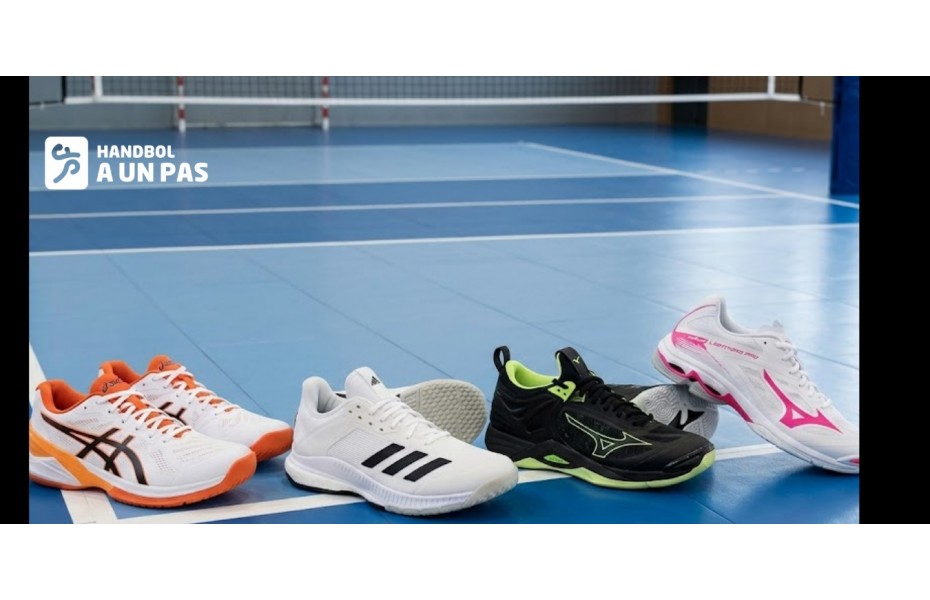
Are you a handball player? Find all the equipment you need to improve your game at Handbolaunpas
For a handball player, continuous improvement is the key to achieving maximum performance on the court. In addition to practicing the different types of passes, it’s essential to have the right equipment, so at Handbolaunpas, we have everything you need to facilitate training and enhance your skills.
Keep reading about this sport, click on "The best handball exercises to improve your performance."
With knowledge of the different types of passes in handball, our equipment at Handbolaunpas, and a constant focus on personal improvement, players can raise their game and improve their contribution to the team.
In Same Category
- Mizuno Blazing Flare: The new Mizuno handball shoes revolutionizing the court
- 2026 Men's Handball Ranking: Spain and Top 5 after Euro 2026
- Puma Berlin: Handball Shoes at Handbolaunpas.
- Best Handball Shoes 2026: Footwear Analysis
- Black Friday Handball 2025: Epic Deals on Adidas, Mizuno Sneakers and more at Handbolaunpas

.png)
.png)
Comments
No comment at this time!
Leave your comment